
Voters across Harris County sent a clear message Tuesday night, rejecting nearly $2 billion in proposed school bonds across six independent school districts.
The bond measures were intended to fund facility improvements, renovations and other capital projects.
The ask for more money from taxpayers was made during a time when families continue to face rising everyday expenses.
The largest proposal on the ballot came from Cypress-Fairbanks Independent School District, one of the largest school districts in Texas. Its $1.6 billion bond proposal was rejected by voters.
Bond elections expert Steven David said the outcome reflects growing concerns about the financial impact of higher taxes on hardworking families.
“Whether you are a renter or a property owner, you pay taxes, either you pay it through your rent or you pay it through your mortgage. And if a bond passes, it increases that burden,” David said.
Voters rejected bond proposals and/or tax increases in all six districts that brought measures before them Tuesday.
Those districts included:
The proposals varied in size and scope, but each failed.
While the failed bond measures mean districts will not receive the funding proposed in Tuesday elections, the consequences could be felt inside classrooms and school buildings.
“I think from a practical perspective, what it means, these school districts aren’t going to be able to spend capital dollars to improve facilities,” David said.
He also warned that some districts could be forced to continue using temporary classroom buildings while dealing with aging air conditioning systems, lighting problems and deteriorating facilities.
In Cypress-Fairbanks ISD, where voters rejected the largest bond proposal, $1.6 billion dollars, the conversation extends beyond the district’s facility needs.
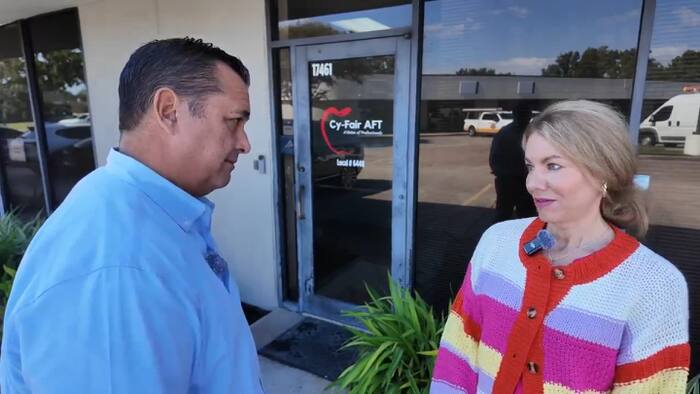
Nikki Cowart, president of the Cy-Fair American Federation of Teachers, said she frequently hears from parents who support investing in their children’s education but cannot afford another tax increase.
“We hear you, our schools need money. It’s a shame what the state has done, but I am struggling, too, and I cannot afford any tax increase right now,” Cowart said, who made it clear that the rejection should not be interpreted as a lack of support for public education.
Cowart argues the responsibility of funding public education should not fall so heavily on local property taxpayers.
She pointed to the state’s substantial rainy day fund as a potential resource for addressing school funding challenges.
According to the Texas Comptroller’s Office, the state’s Economic Stabilization Fund, commonly known as the “rainy day fund,” stands at approximately $27.5 billion.
Cowart said the state could use those resources to help properly fund public schools without requiring additional financial sacrifices from local homeowners and renters.
When KPRC 2 asked whether or not schools across the state could be funded without impacting property taxes? Cowart did not hesitate, “Yes, we can properly fund our schools with the rainy day funds without doing it on the backs of the local taxpayers. The funds are there.”
The debate over how Texas funds public education has continued for years, with educators and advocates calling for greater state investment and less reliance on local property taxes.


